← Back to the film

Where your money goes · the route

Help the next chapter of the film.

This film is self-funded, the way the crop is: one stretch of road at a time. A whole chapter — cameras in one place, a short and a field note for that town — is a working envelope of about A$18,000–$30,000. Smaller gifts keep the road moving. They do not buy a chapter. Give any amount; the ranges below are suggestions, not packages.

Talk about a larger gift

Not tax-deductible. Carbon Capture Shield, Inc. is a Delaware company. Documentary Australia fiscal sponsorship is a separate track for larger gifts — it is not this page.

01

Tasmania — Tim Schmidt

A hemp farmer's life, and an industry he built in Tasmania from almost nothing. Seed is still hard to buy. A bale is still hard to sell. The tour starts where he lives the blockage.

Status: planned · premise chapter

Not opened yet
02

Yorke Peninsula — Schilling, Oster, Muir

The breeding question: can Australian dryland hemp deliver stem, grain, or both, without waiting on a northern day-length? John Muir is supplying the seed. Trials are running now.

Status: partly filmed · trials still to shoot

Not opened yet
03

Deniliquin — the MacDonald family, Tuppal Station

They grew it. The bales have no buyer. Processing, not acreage, is the missing join — and a path to market has to physically reach a farm gate.

Status: family filmed · crop and market still to shoot

Not opened yet
04

New South Wales to Broome — Crittenden, Liyan Foundation

Simon Crittenden builds hemp panels in NSW and ships them to Broome for homes organised with Victor Hunter of Liyan Foundation, for an Aboriginal community. Filming this chapter proceeds only with community consent, on the community's terms and timeline.

Status: planned · conditional on consent

Not opened yet
05

Western Australia — hemp operations

Broome does not close the question. Another coast, the same unanswered market. The test returns, which is how the film ends without pretending to have solved anything.

Status: planned · closing chapter

Not opened yet

What we have filmed, and what it showed

The bottleneck is not the plant. It is everything after the plant.

01 · Yorke Peninsula

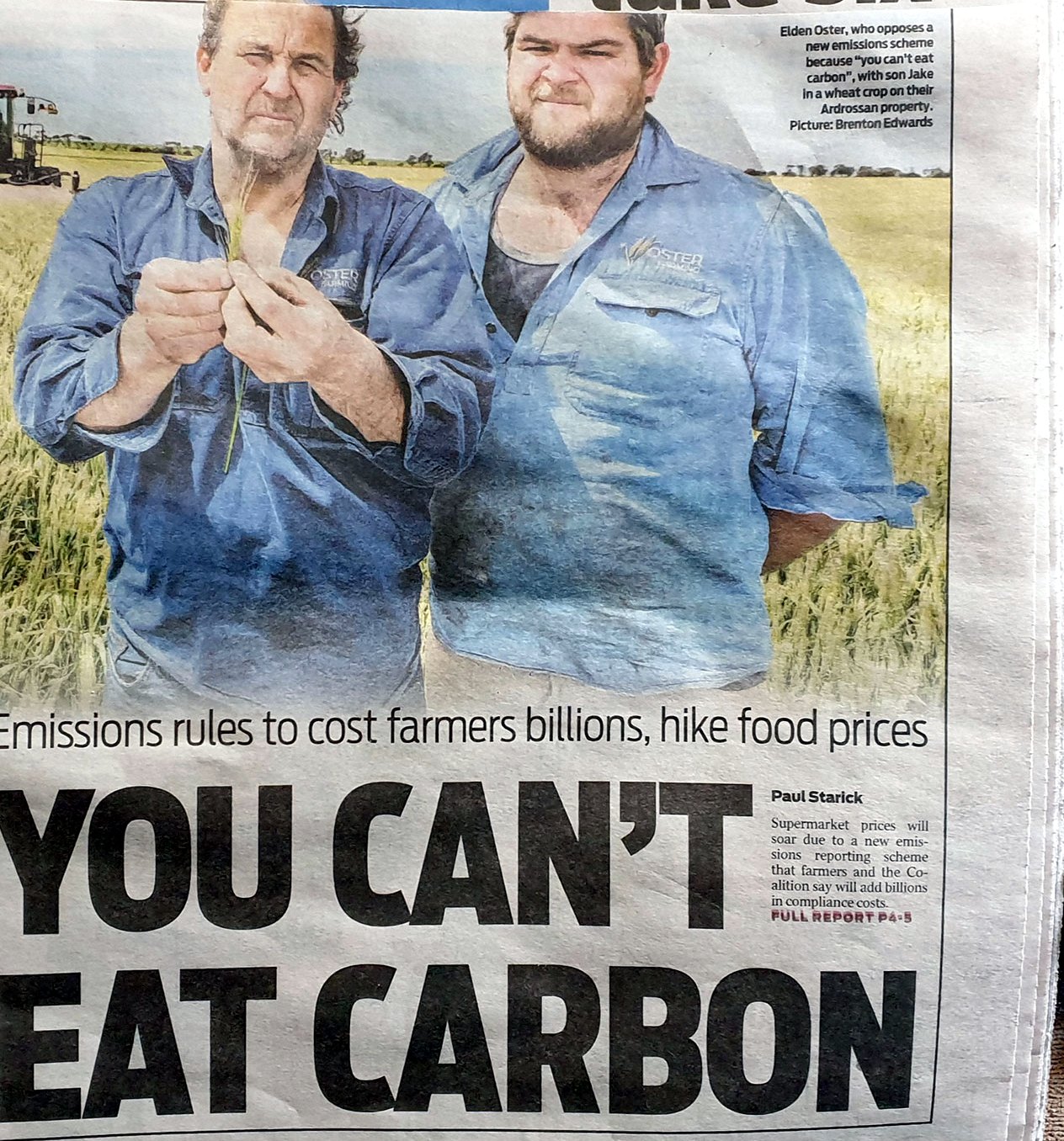
You can't eat carbon Elden Oster said it to a newspaper, and it is the whole argument. A farmer cannot be paid in atmospheric goodwill. Mark Schilling could not even find anywhere to buy the seed.

02 · Deniliquin

The bales are still there On the MacDonald farm and at Tuppal Station we filmed thousands of tonnes of baled hemp with no reliable Australian buyer. Not a yield problem. A processing problem.

03 · Canberra

The record now says so Tim Schmidt spent six years getting this in front of the Senate. The committee called for processing infrastructure, plant breeding, and hempcrete in the National Construction Code.

The Advertiser front page: YOU CAN'T EAT CARBON. Elden and Jake Oster, Yorke Peninsula, 2024.
Elden and Jake Oster, Yorke Peninsula, 2024. Filmed.
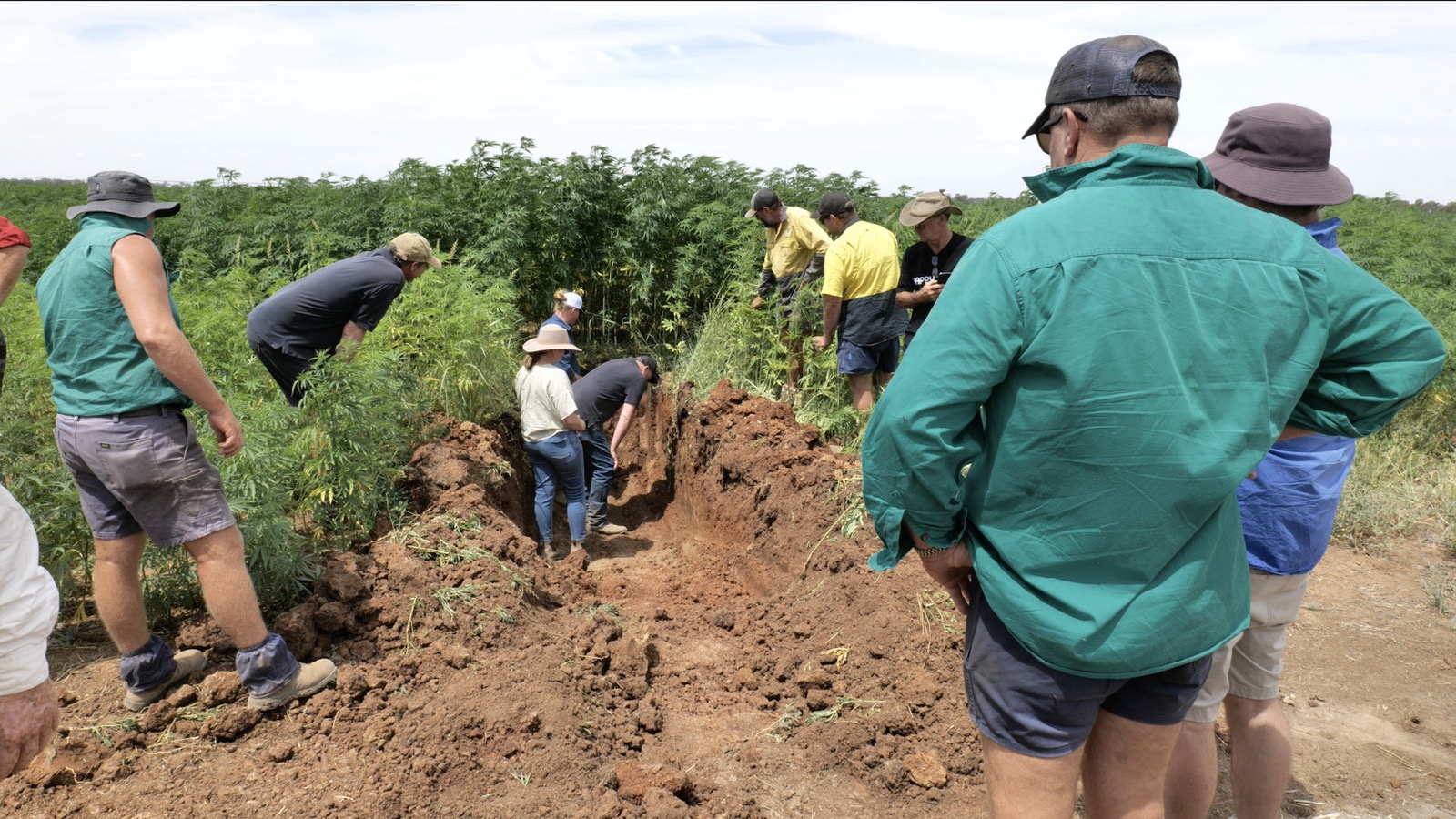
A soil pit dug under an industrial hemp crop on the Bruce MacDonald farm, Deniliquin.
Soil pit under hemp, MacDonald farm, Deniliquin, Feb 2025. Filmed.
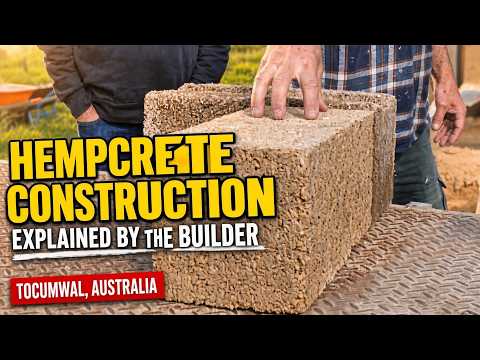
A builder explaining hempcrete construction at Tocumwal.
Tocumwal hempcrete short — the model for every chapter. Published.
30 Oct2026 · Canberra

Why now, and not next year

A Senate resolution dating to 1973 gives the government three months to respond to a committee report. For this one, that clock runs out at the end of (Canberra).

Three months is the convention, not the enforcement. In 2016 a Senate select committee reported on unconventional gas mining. The government answered in June 2024 — eight years later — and its answer was that, given the passage of time, a substantive response was no longer appropriate.

A question can be killed by simply outliving it. The film is the thing that keeps this one alive past its expiry date.

Next days on the road: Geelong, 21–23 September — a screen test, not a chapter to fund.

Questions people actually ask

What happens if you do not hit the target?

Until a campaign platform is named, write to us from this page. When a campaign opens, each funded chapter is shot even if the full route is not. Money is not held hostage for an unshot feature. Smaller gifts keep the road moving; they do not buy a chapter.

Is my contribution tax-deductible?

No. Gifts to Carbon Capture Shield, Inc. are not Australian tax-deductible. A DGR auspicer is not in place on this page.

Why not just get screen agency funding?

Direct funding from Screen Australia and the state agencies has been ruled out for this project. The alternative is the one you are looking at: fund the road leg by leg, publish as we go, and stay useful to the towns we film in rather than waiting three years for a broadcast slot.

Who is actually making this?

Directed, shot and edited by Darryl J. Nicke II, twenty years an animator at Disney, director of The Hemp Road Trip (2017), 10 Days Abroad: Albania (Best Editing, Florence Film Awards, 2020), and Hemp: Eat Build Heal. Sandy Naumann organises, budgets and plans the field work. We do not follow one person. Tim Schmidt and Winton Evers are chapters in the chain — seed, farm, mill, maker, buyer — not the whole film.

Is this an advertisement for the hemp industry?

No. At the start of the film there is nowhere for a farmer to buy seed, agronomic support is hard to find, and thousands of tonnes sit baled with no buyer. If that is an advertisement, it is a poor one. The film reports what the road produces.

What is Carbon Capture Shield's interest here?

CCS is pursuing a regional hemp processing hub in Deniliquin, one of the towns the film covers. That is disclosed, and it is why the access exists. CCS does not operate the farms in this film and does not hold editorial control over it.

What a chapter follows

The chain, not a hero.

Each funded chapter walks seed, farm, mill, maker, buyer. The people carry it.

Farmer

I can grow it. Who will buy it?

Mill

I can process it. Is there enough volume?

Maker

I can make something. Can I get consistent material?

Buyer

I want the product. Can the chain deliver?

Town

What could this mean here?

Not a promotional film. Not a promise. A documentary. Independent films happen because people decide a story is worth seeing. Your contribution puts cameras back in the fields, on the people doing the work, and then — as we did the first time — back in the towns.

Help the next chapter

These are courtesy, not a contract. Named thanks when that chapter is shot.

Backing this film does not buy carbon credits, invest in a farm, or fund the proposed Deniliquin processing hub. Smaller gifts keep the road moving. They do not buy a chapter.

Not tax-deductible. Carbon Capture Shield, Inc. is a Delaware company. Documentary Australia fiscal sponsorship is a separate, slower track for larger gifts — it is not this page.

Email or mobile.